Article
Air emissions reductions
The production processes of the refineries and chemical factories are accompanied by the emission of a number of harmful substances.
Article
selected item
The most important of these are sulfur dioxide (SO2), nitrogen oxides (NOx) and hydrocarbons or volatile organic compounds (VOCs). Sulfur dioxide and nitrogen oxides contribute to the acidification of the atmosphere and soil, hydrocarbons and nitrogen oxides contribute to smog formation.
The SO2 and NOx emissions at ExxonMobil's plants are below legal standards, because they only use gas for their heating needs. VOC emissions are low, thanks to the use of special seals or internal floating storage tank covers, vapor recovery when loading barges and trucks, and special measuring and maintenance programs to detect and repair leaks.
Related content
Waste management overview
Article
•
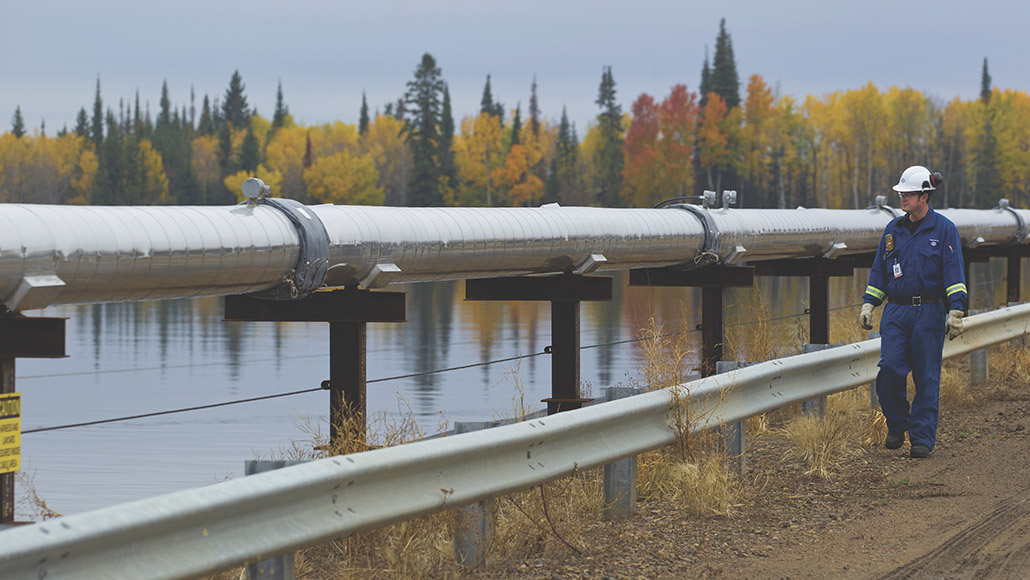
ExxonMobil's role in addressing the water challenge
We recognize the importance of water and our responsibility to local communities and the environment. As such, we focus our efforts on preventing adverse impacts to water resources and prudently managing the water we do use.
Article
•
Freshwater management in Benelux
The wastewater from the refineries and chemical plants has been thoroughly treated in treatment plants since the 1980s.
Article
•
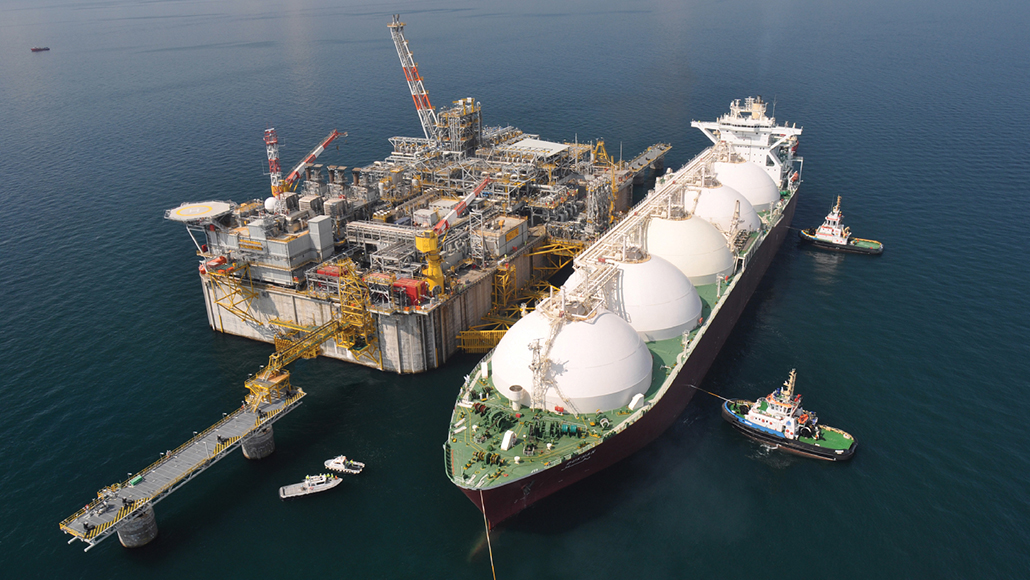
Understanding the relationship between energy and water
Globally, agriculture is the largest user of fresh water, accounting for 70 percent of all withdrawals. Although the oil and gas industry uses far less water (industrial use represents less than 5 percent of total withdrawal), it has an important role to play in protecting the quality of water in the areas where it operates.
Article
•